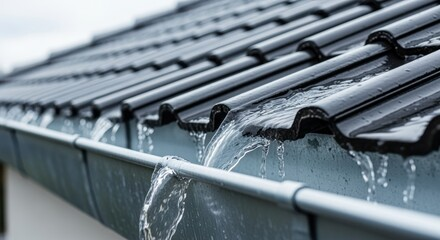
Gutters are meant to direct rainwater away from the home, but if they become overflowing during heavy rains, it could lead to structural damage and costly repairs. Here are the top three reasons your gutters overflow:
Leaves, twigs, dirt and debris can clog gutters, obstructing the flow of water. Oftentimes, this can be solved by climbing up with a ladder and manually removing debris. Contact Colorado Springs Gutters for more details.
Clogged Gutters
Gutters serve to channel rainwater away from the foundation of your home and protect landscaping, basements and crawl spaces, concrete walkways and patios, fascia boards and siding. When gutters overflow during heavy rains, the resulting moisture can damage these areas and cause costly problems.
Gutter overflows often occur when the gutter is clogged with leaves, twigs and debris. This is easily prevented with regular cleanings. During a storm, you can easily spot overflowing gutters by looking for disheveled landscaping and puddles on the ground. However, you should not attempt to clean your gutters during a storm because climbing on a ladder or standing under the roof is dangerous. Instead, hire a professional service that offers safe, ladder-free gutter cleaning.
Aside from debris, another common cause of overflowing gutters is an improper pitch or tilt. If the gutter tilts too far down, it won’t drain the water effectively. Likewise, a lack of pitch — where the gutter slopes downhill toward a downspout — can also lead to overflow because the water won’t flow properly through the gutter system.
Finally, a gutter that’s too small can also lead to overflowing during a heavy rain. If you have a standard 5-inch gutter on your house, it may be too small to handle the volume of water that runs off your roof during a storm. You may need to invest in a larger gutter that’s designed for your specific roof.
It’s important to perform regular maintenance on your gutters to avoid overflowing during a storm. This includes cleaning and inspecting the gutters on a regular basis, usually twice per year. During these inspections, you should check for loose hangers and spikes, as well as a proper pitch. You should also consider upgrading to a covered gutter system like the Gutter Shutter, which requires less maintenance and doesn’t clog. This is backed by a lifetime no-clog warranty, so you can rest easy knowing your gutters are protected.
Clogged Downspouts
Over time, your gutter downspouts can become clogged with leaves, pine needles, dirt, and other debris. When these clogs form, they slow or stop the flow of water out of your gutters entirely. This causes water to overflow and spill from the gutters onto the ground below, which can damage your siding, roof, foundation, and landscaping.
Clogged downspouts can be hard to spot, especially when they occur during a rainstorm or after a sudden heavy downpour. In addition, clogged downspouts can also create standing water in your yard or garden, which can lead to erosion and damage to plants and trees.
Gutter downspouts are designed to channel water out of the gutters and into a storm drain or underground drainage system. These drains help to prevent water from pooling around the foundation of your home and causing basement leaks and other costly repairs. Gutter downspouts can also become clogged with dirt, leaves, and other debris that can be difficult to remove, even after cleaning your gutters.
Your gutters should slope 1/4 inch for every 10 feet of gutter to help water flow into and out of your downspouts. When gutters aren’t sloped properly, it can cause them to overflow and spill out of the gutter during a rainstorm.
If your gutters aren’t pitched or tilted correctly, it can also cause them to overflow during a rainstorm. Ideally, your gutters should slope away from the house and towards your downspouts.
You can check the slope of your gutters by observing their alignment and watching how water flows during a rainstorm. If your gutters are overflowing during a rainstorm, the slope may be too shallow and it’s a good idea to invest in new gutters with a higher pitch.
Damaged Gutters
Gutter overflow is a sign that your gutters aren’t doing their job. They’re supposed to direct water away from your home, but a clogged or damaged gutter system can cause serious damage to your property. In addition to water pooling around your foundation, overflowing gutters can lead to cracking or rotting siding, basement flooding, and mold growth.
Besides being unsightly, overflowing gutters can be a breeding ground for insects and rodents. Moreover, they can also block the flow of rainwater, which can oversaturate the soil and make it muddy and dangerous to walk on. The most common cause of overflowing gutters is a buildup of debris. This includes leaves, shingle granules, sticks from broken tree limbs, and other waste material. Oftentimes, these items enter your gutters through downspouts. Cleaning your gutters regularly is the best way to prevent overflowing gutters due to debris buildup.
Another cause of overflowing gutters is that they’re sagging or pulling away from your roofline. This is a sign that they are full of debris and no longer structurally sound. In addition, high winds may twist your gutters and cause them to fall off. If you see any of these issues, it’s important to contact a professional gutter repair service right away.
The pitch and tilt of your gutters are also crucial to their effectiveness. If the gutter isn’t pitched correctly or the tilt is off, it can cause them to overflow during heavy rains. Moreover, if the gutter is too level, it can cause water to gather in one spot and overflow.
Gutter overflow is a common problem that can be prevented with regular maintenance and routine cleaning. In addition to cleaning your gutters twice a year, you should also visually inspect them for signs of damage and failure on a regular basis. This will help you catch any issues before they become serious and costly. However, because standing on a ladder or crouching on the roof can be hazardous, it’s a good idea to hire a professional gutter maintenance company to handle this task for you.
Damaged Downspouts
If downspouts are dented, scarred or dislodged, they won’t be able to perform their essential task of channeling rainwater away from the building. This is a serious problem that could lead to foundation, siding and landscaping damage if it is not repaired. It also creates a safety hazard for pedestrians, particularly in areas with high foot traffic such as schools, public parks and commercial buildings.
Downspouts can become disconnected from the gutter system due to wear and tear, storm damage or improper installation. This may result in the water escaping from the downspout opening and flowing onto the ground below, causing soil saturation. It can also create unsightly water stains on pavement, concrete and wood siding.
Gutter downspouts are prone to clogs, and it is important that they are regularly cleaned to prevent this issue. Debris like leaves, twigs and animal nests can build up inside downspouts and form dense plugs that block the flow of water. Regular maintenance through gutter cleaning helps to avoid this problem, especially after the autumn leaf fall when debris tends to accumulate the most quickly.
A downspout that isn’t properly sized or pitched for the home and local weather conditions can also cause overflow and roof runoff problems. This means the gutters aren’t able to keep up with rainfall and will clog, overflow or leak dirty water. This is another problem that can be solved through proper sizing and professional assessment by a qualified gutter contractor.
Downspout problems can also cause standing water around the foundation of the home. This is often caused by downspouts that leak or overflow, causing water to pool around the foundation rather than being directed away by downspouts and street drainage systems. This can lead to water seepage and foundation issues that are costly to fix.
The best way to avoid these common gutter overflow problems is through routine maintenance and annual cleanings. During these visits, downspouts should be cleared of debris and checked for structural integrity. It is also important to have the downspouts inspected for wear and tear, and to ensure they are properly sized for your roof’s surface area.